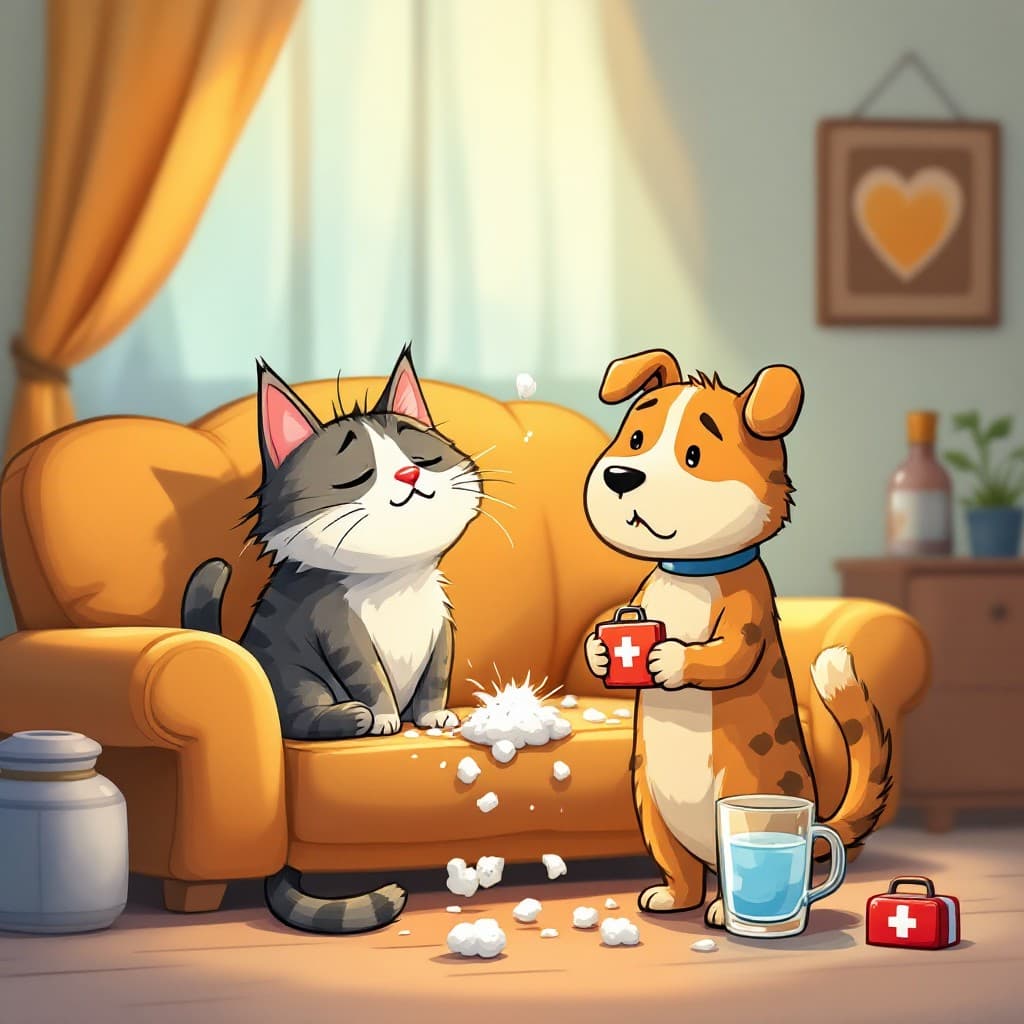
Hairballs in cats
Why cats vomit from hair—and what you can do about it.
Every cat owner knows it: that characteristic cough, followed by a regurgitated hairball. For most cats, an occasional hairball is normal. But when does it become a problem? And how can you prevent it? Read on.
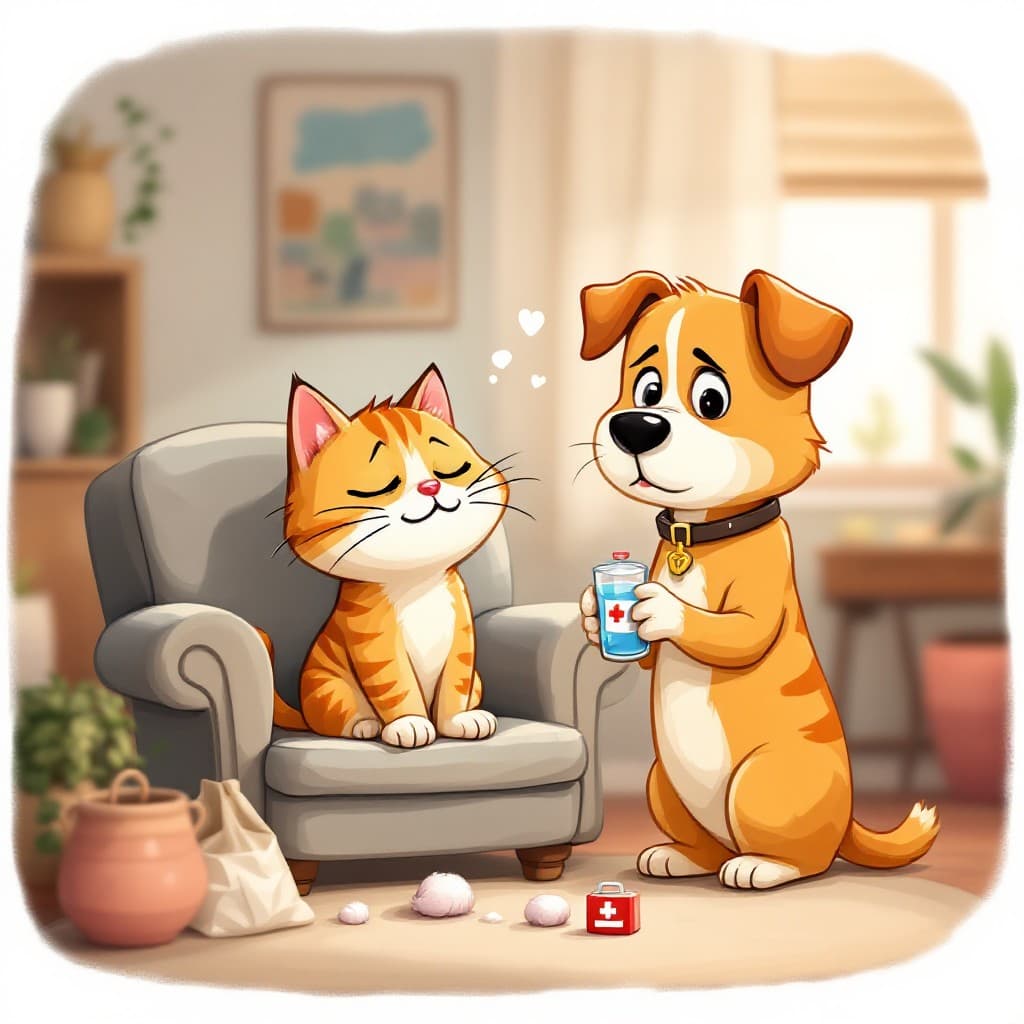
🔬 What is a hairball?
Cats groom themselves constantly. In doing so they swallow loose hairs. These accumulate in the stomach and form a ball—which eventually has to come out via vomiting or via the stool. Long-haired cats and cats that shed a lot are more prone.
✅ How to prevent hairballs
- • Brush your cat regularly—especially long-haired cats. Less loose hair = fewer hairballs.
- • Feed food that supports the passage of hair through the digestive tract. Some kibbles and pastes are specially developed for hairball prevention.
- • Ensure enough exercise and fibre. An active cat with healthy digestion is less likely to have problems.
🩺 When to see the vet?
Occasionally vomiting a hairball is normal. Do see the vet if your cat vomits often, doesn't eat, is lethargic, or if the vomit contains blood. Also with retching without anything coming out: there may be an obstruction. When in doubt: call your vet.
✨ More about coat care
A healthy coat starts from within. Good nutrition, regular brushing and not washing too often keep the coat in top condition.
Read about skin and coat →Support cats waiting for a home
Saved Souls cares for dozens of cats in Thailand. Your donation helps feed, care for and find them a new home.
Donate now