What 600+ Dog Meat Trade Survivors Taught Us About Canine Trauma
Behavioral patterns, recovery timelines and real cases. Data nobody else has.
Since 2019 we've cared for 600+ dogs who survived the meat truck. Days in cages, fear of death, hunger. That experience taught us something no book or course can: what trauma really looks like—and how recovery works. Here we share that knowledge.
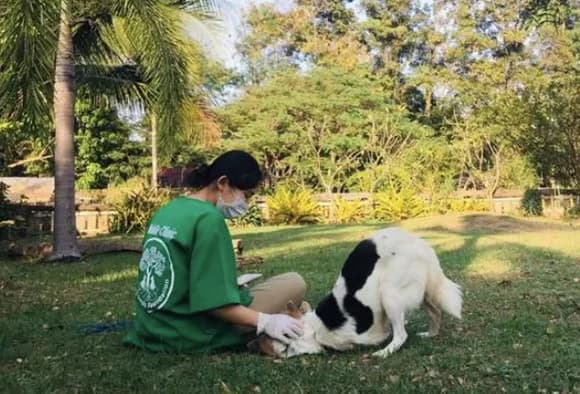
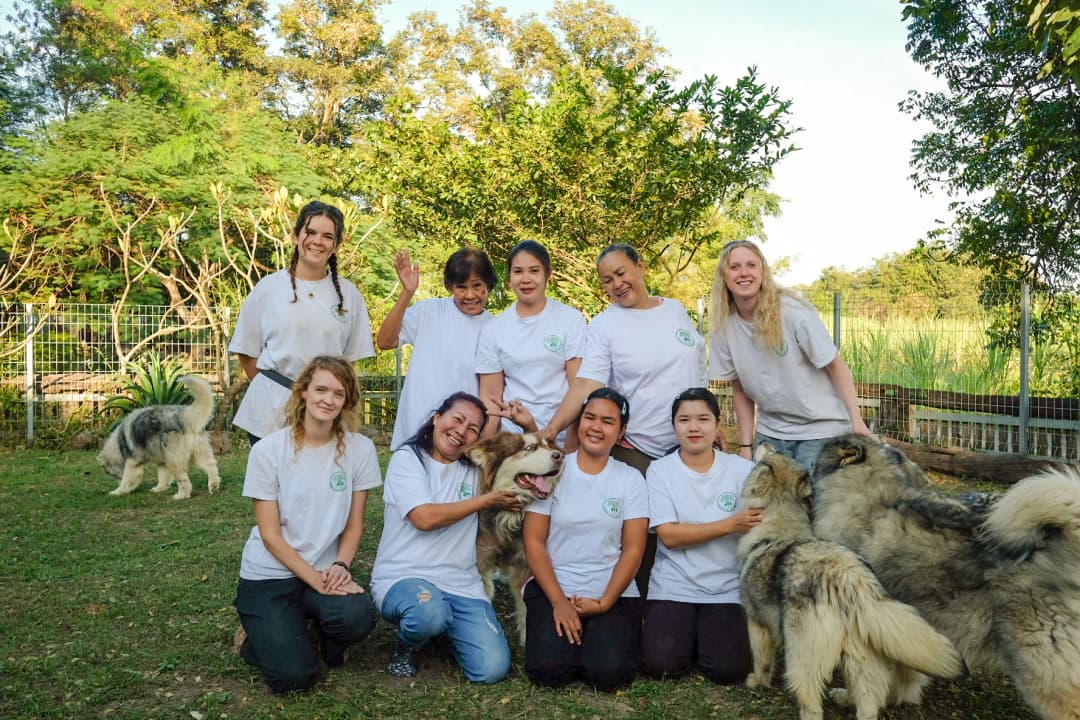
🧠 Behavioral patterns we see
Hypervigilance
Constant alertness. Every sound = potential danger. Sleep is shallow. This lasts weeks to months.
Resource guarding
Food, water, spot—everything is defended. Logical: on the truck there was never enough. Hand-feeding and trade-up games help.
Flight or freeze
Some flee, others freeze. Both are survival strategies. No punishment—only patience.
Delayed bonding
Building trust takes time. First food, then eye contact, then touch. The dog's pace counts.
Regression under stress
Fireworks, thunder, moving—old fears can return. That's normal. Not failure.
⏱️ Recovery timelines (average)
First weeks
Survival. Eating, sleeping, safe place. No pressure.
1–3 months
First bonding with regular caregivers. Hand-feeding, calm walks.
3–12 months
More relaxation. Playing, exploring. Some remain sensitive forever.
12+ months
Full recovery possible. But: each animal is unique. No guarantees.
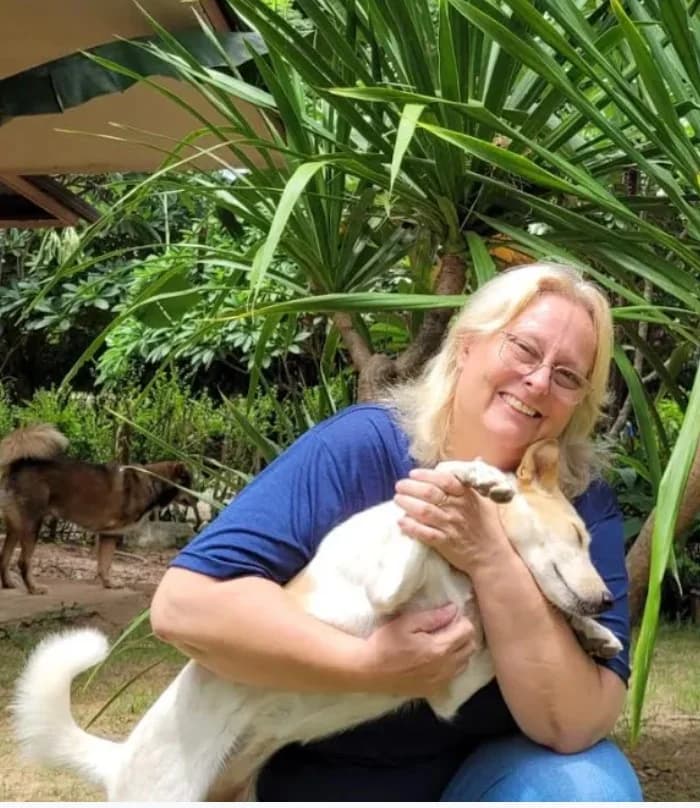
💔→💚 Real cases
The growler who now wags
He growled at every meal. After 8 months hand-feeding he now eats from strangers' hands. He lives in Sweden.
The hider
She crawled under every couch. After 6 months she came to people herself. Adopted in the Netherlands.
The barker
Extremely reactive to other dogs. Counter-conditioning, 14 months. Now calm group walks. Stays with us—too complex for adoption, receives lifelong care.
Support rehabilitation
Our rehabilitation costs time, patience and resources. Every euro goes to care for trauma survivors.
Support rehabilitation