First aid dog and cat at home
What do you have at home? First aid kit, emergency numbers and a safe environment.
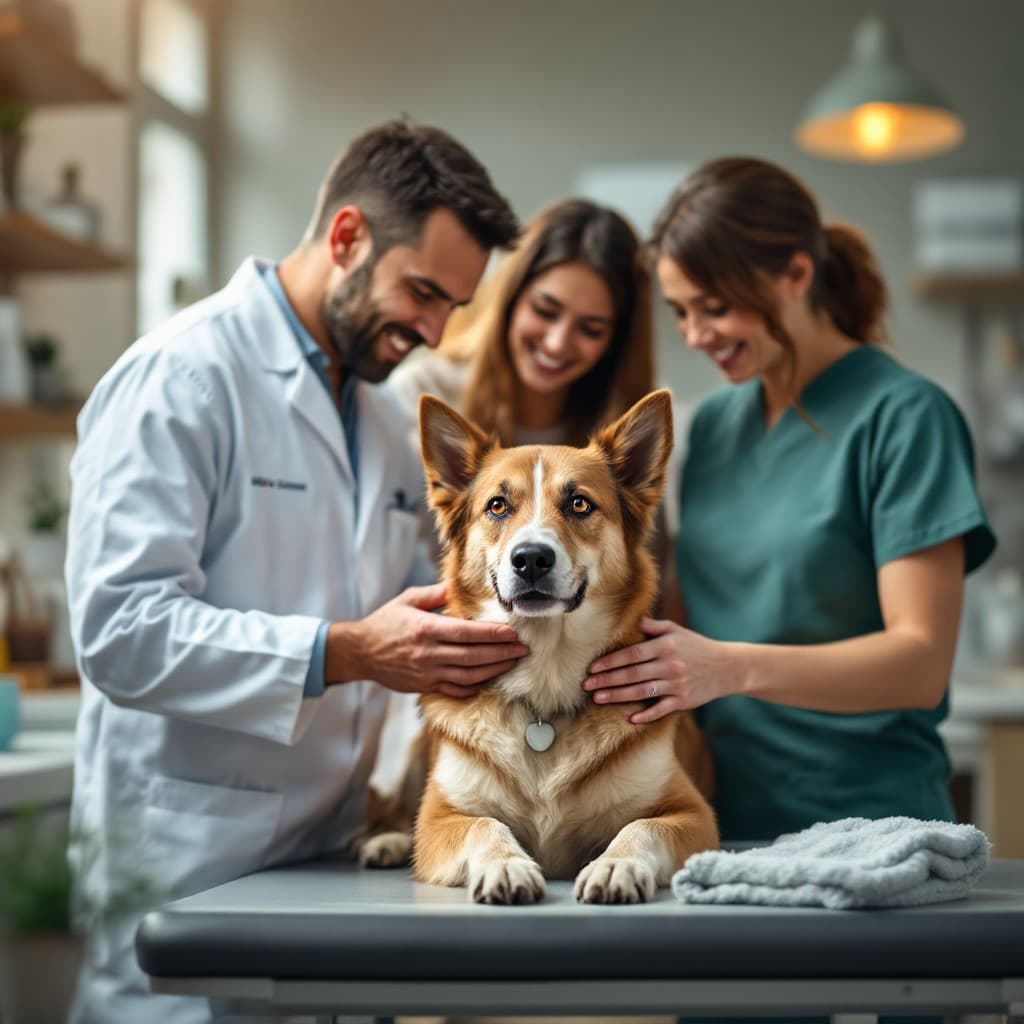
Good preparation at home can make the difference in an emergency. Here you'll find a checklist of what you should have at home, which numbers to know and how to keep your home safe for your pet.
📦 First aid kit for pets
Keep these items in a fixed place, e.g. in a box or bag:
- • Bandage gauze, plasters and an elastic bandage
- • Tick remover or tick remover set
- • Pet thermometer (rectal)
- • Clean towels or gauze pads
- • Tweezers (for splinters or foreign objects)
- • Face mask (for breathing during CPR)
- • Vet and emergency service contact details
📞 Emergency numbers
Write down your vet's phone number and the emergency vet service (often available 24/7) in a visible place—e.g. on the fridge or in your phone. In the Netherlands: National Poison Information Centre (NVIC) for poisonings. In emergencies: call first, then act.
🔒 Safe home environment
Prevention is better than cure. Keep your home safe:
- • Toxic plants, medicines and cleaning products out of reach
- • No loose cables or small objects that can be swallowed
- • No chocolate, grapes or xylitol in the house (or store safely)
- • In hot weather: shade, fresh water and never leave in the car
🩺 This information is general. Contact your vet for tailored advice.
More information
Read the full first aid guide or view the health guide.