Fleas, ticks and parasites: medications, alternatives and safe home remedies
NexGard Spectra, over-the-counter products, dangers of strong chemicals, and which home remedies are safe for dogs and cats.
Fleas, ticks and heartworm are a serious problem for dogs and cats—especially in tropical areas like Thailand. There are many products on the market: from strong chemical treatments to natural alternatives. But what works? What is dangerous? And which home remedies are safe? This guide helps you make an informed choice.
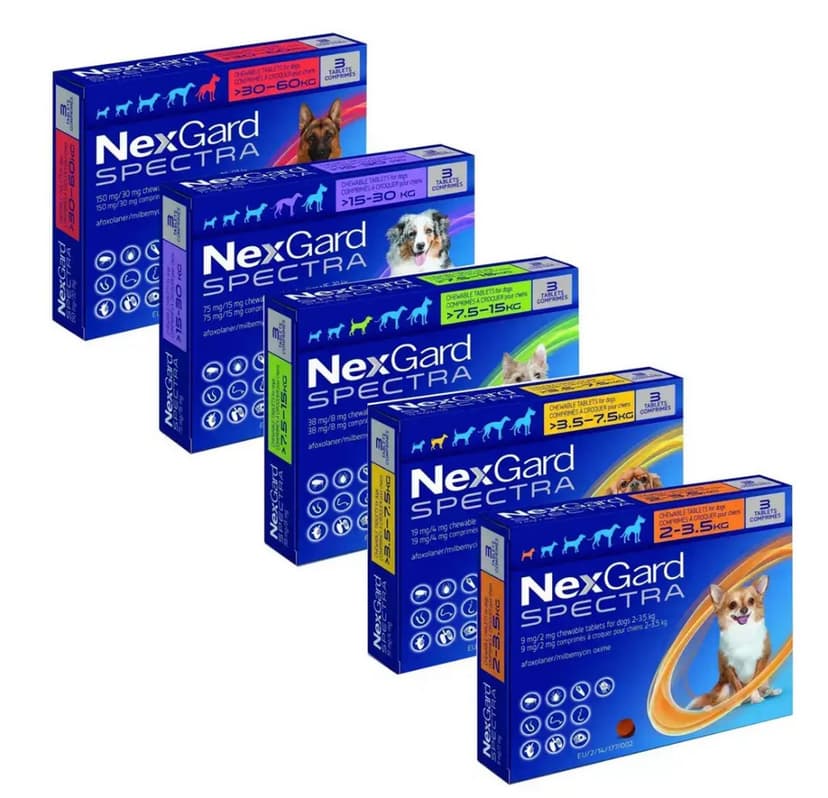
💊 NexGard Spectra for dogs
NexGard Spectra is a broad-spectrum chewable tablet for dogs that controls fleas, ticks, heartworm and various intestinal parasites. It contains afoxolaner and milbemycin oxime. There are different dosages for dogs from 2 kg to 60+ kg. It is administered monthly. For cats, NexGard Combo exists—a separate product. Always consult your vet for the correct dosage and whether the product suits your pet (health, breed, medication).
Pros: one month protection, chewable (no pipette), broad-spectrum. Cons: chemical, not suitable for all dogs (e.g. certain breeds with MDR1 mutation), relatively expensive.
🛒 Other over-the-counter products
Besides NexGard there are more products against fleas, ticks and heartworm:
- • Frontline (fipronil) – pipette or spray, fleas and ticks, dog and cat
- • Bravecto – chewable or pipette, up to 12 weeks against ticks, dog and cat
- • Seresto – collar, up to 8 months, fleas and ticks
- • Stronghold/Advocate – pipette, fleas, heartworm, intestinal parasites, ear mites
⚠️ Dangers: strong chemicals AND home remedies
Strong chemical products (isoxazolines as in NexGard, Bravecto) can cause neurological side effects in some dogs: tremors, seizures, ataxia. Dogs with the MDR1 gene mutation (e.g. Collies, Shelties) are more sensitive. Overdose is dangerous. Never use dog products on cats—some are fatal to cats. Always read the leaflet and consult your vet.
Home remedies can also be dangerous. Tea tree oil (melaleuca) is toxic to dogs and cats—even diluted. Lavender and eucalyptus in high concentrations can cause problems. Garlic and onions are toxic. Lemon and vinegar in too high doses can irritate the skin. Never put anything on your pet without checking if it's safe.
🌿 Safe home, garden and kitchen remedies
These remedies are generally safe when used correctly. Use them for support or prevention—for a severe infestation, professional treatment is still needed.
Apple cider vinegar (diluted) →
Diluted in water (1:1 or weaker) as a spray on the coat can help repel fleas. Not on open wounds. Not for cats that lick themselves—vinegar is not toxic but unpleasant. Also as an addition to drinking water (1 teaspoon per litre) it may make the skin more acidic and less attractive to parasites—but effectiveness is limited.
Coconut oil →
Lauric acid in coconut oil can repel fleas. Rub a small amount into the coat (don't overdo it—greasy). Also good for dry skin. Cats can lick coconut oil—small amounts are usually fine, but too much can cause diarrhoea.
Diatomaceous earth (food grade) →
Fine powder that dries out and can kill fleas and ticks. Food grade only (not pool grade)—and do NOT inhale. Apply carefully to coat and in the house (floors, cracks). Not in eyes or nose. Works mechanically, not chemically. Effective with consistent use.
Chamomile and green tea →
Cooled chamomile or green tea can soothe itchy skin. Use as a compress or rinse the coat with it. No cure for infections—only relief. No caffeinated tea for cats.
Regular brushing and vacuuming →
A flea comb removes adult fleas and eggs. Daily vacuuming reduces the population in the house. Wash beds and blankets at 60°C. Not a medicine, but essential during a flea infestation.
🩺 This information is general. Always consult your vet for tailored advice. In case of doubt or side effects: contact immediately.
More about health
View our comprehensive health guide for vaccinations, deworming and diseases in dogs and cats.
To health guide