Dog barking: what to do about it?
Barking is normal—but too much barking can drive neighbours and yourself to despair. Here's how to tackle it.
Barking is communication. Dogs bark out of alarm, boredom, loneliness, play or frustration. Punishment often backfires—your dog doesn't learn what you want. Instead: understand the cause, offer alternatives and reward being quiet. Here's how.
🤔 Why does your dog bark?
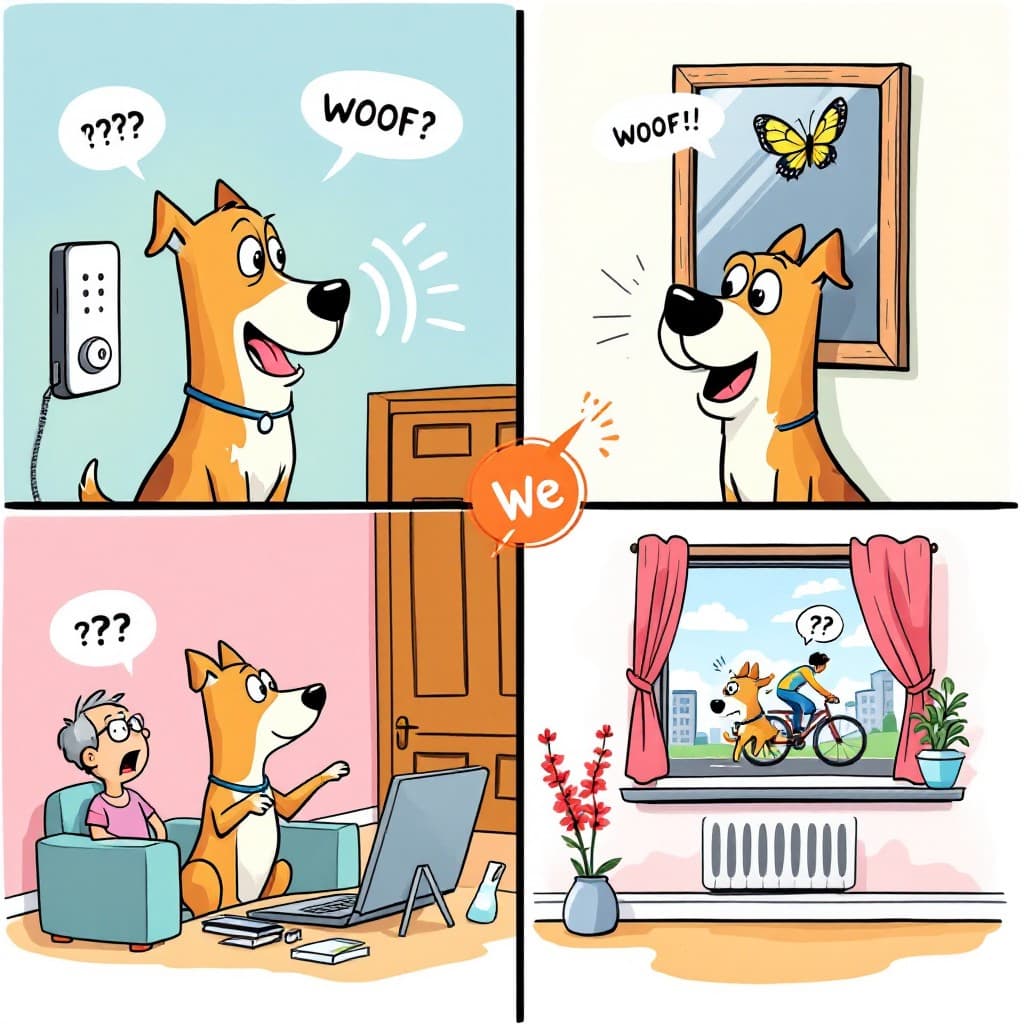
A lot of barking comes from boredom, loneliness or frustration. A dog that's home alone, gets little exercise or too little mental stimulation can vent his energy in barking. Guarding can also play a role: every passing pedestrian or cyclist gets announced.
Some dogs have learned that barking gets attention. Even shouting 'quiet!' is attention. The opposite: ignore barking, reward when your dog stops.
📋 4 tips to reduce barking
- 1. Provide enough exercise and mental stimulation. A tired dog barks less.
- 2. Teach your dog 'quiet' or 'settle': wait until he stops, then reward. No attention during barking.
- 3. With guarding: limit the view of the street (curtain, screen) or teach your dog that visitors are not a threat.
- 4. Consider a behaviour therapist if it doesn't work. Sometimes there's underlying anxiety or frustration that needs professional guidance.
Support dogs waiting for a home
Saved Souls gives rescued dogs a second chance. Your donation helps feed, care for and heal them.
Donate now