Nutrition for dogs & cats
BARF, raw feeding, natural nutrition, recipes and healthy treats for dogs and cats
Good pet nutrition is the foundation of a healthy life. Whether you feed BARF, raw food, cooked, or kibble—understanding what your dog or cat needs makes all the difference. Here you'll find everything about modern nutrition for dogs and cats: protein, calcium, bones, and 10 recipes for homemade dog treats and cat treats.
🏠 First time pet owner? Tips for the first days · Health guide

Raw vs cooked: what does science say?
🥩 Raw meat
High digestibility of protein and fat. Some dogs have firmer stools. Natural texture and taste.
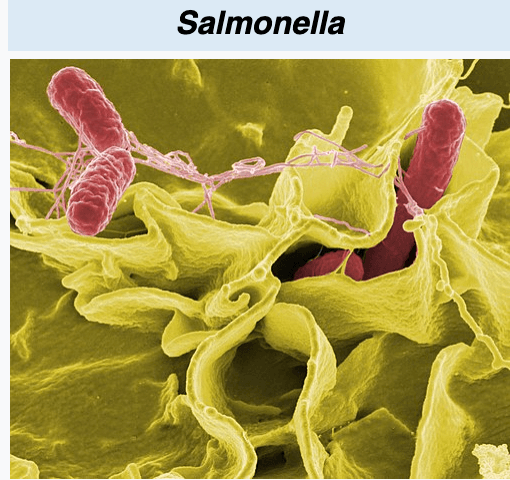
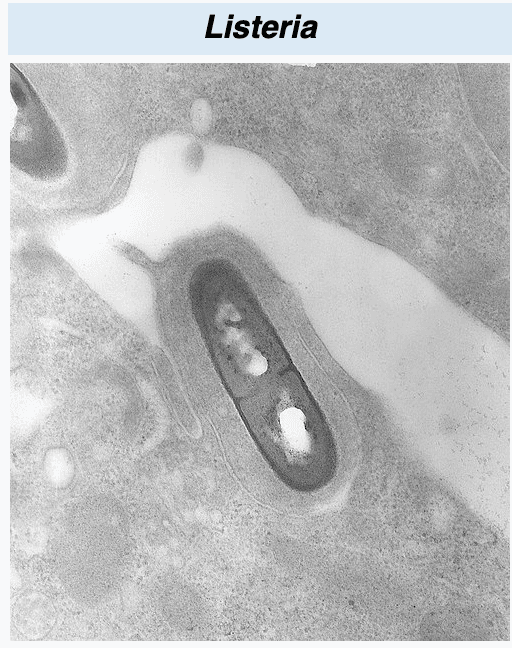
Note: raw meat can contain bacteria (Salmonella, Listeria). Risk for humans and pets. 60% of homemade raw diets have nutritional imbalances. Always practice good hygiene!
🍲 Cooked meat
Safer: cooking kills pathogens. Easier to store. Suitable for sensitive stomachs.
Don't overcook: that can break down taurine (important for cats!). Steaming or light frying preserves more nutrients.
Both raw and cooked can work—as long as they're complete, balanced and hygienic. Always consult a vet or nutritionist for a tailored diet.

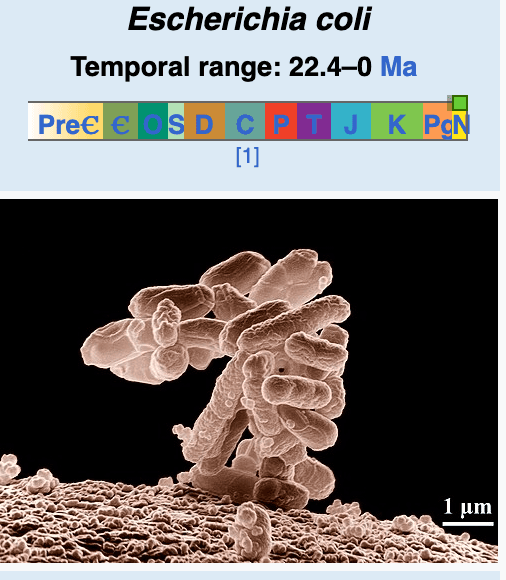
⚠️ Bacteria warning: raw meat can contain Salmonella, Listeria and E. coli. Risk for humans and pets. Wash hands and surfaces thoroughly. Do not let pregnant women, elderly or immunocompromised people handle raw food. Always store raw food refrigerated.
BARF and raw feeding: modern nutrition for dogs and cats
BARF (Biologically Appropriate Raw Food) and raw feeding are popular ways to feed dogs and cats naturally. More and more pet owners search for recipes and information about raw dog food, raw cat food, and healthy homemade treats.
What is BARF and raw feeding?
BARF means biologically appropriate raw food: meat, bones, organ meat and vegetables. Raw feeding is broader: all raw nutrition for dogs and cats. Both focus on natural, unprocessed pet food instead of only kibble or canned food.
Complete raw food (ready-made)
Ready-made raw food is pre-cut, ground and often supplemented with vitamins. Handy when you don't have time to prepare BARF yourself. Make sure the brand is complete and balanced.
Tips for BARF and raw feeding
- • Start with small portions and build up slowly
- • Vary meat types (chicken, beef, lamb, fish) for a complete amino acid profile
- • Add organ meat (liver, kidney) for vitamins and minerals
- • Raw bones provide calcium—only under supervision and never cooked
- • Keep everything hygienic: separate cutting board, wash hands, store food cold
🌟 Why are more pet parents choosing BARF?
The world of pet nutrition is changing. More and more dog and cat owners are moving away from kibble and canned food toward raw feeding—a natural, ancestral way that aligns with what dogs and cats would eat in the wild.
✨ Visible improvements: glossy coat, more energy, less odor, firmer stools
✨ Complete control over ingredients—no mysterious 'by-products' or E-numbers
✨ Perfect for allergies: you decide exactly what your pet eats
✨ Back to basics: their digestive system evolved for raw meat and bones
✨ Better gut flora: natural enzymes and bacteria support digestion
BARF vs PMR vs Whole Prey: what's the difference?
BARF
You assemble meals yourself: muscle meat, edible bones, organs, and (for dogs) vegetables, fruit, seeds. Maximum control, but requires knowledge and planning.
PMR (Prey Model Raw)
Replicates a whole prey animal: muscle meat, bones, organs. No grains, fruit or vegetables. Philosophy: what wild ancestors ate.
Whole Prey
The most natural form: entire prey animals like mice, chicks, rabbits or quail. Ideal for cats, but you must be comfortable handling whole prey.
📋 How to assemble a BARF meal
🐕 For dogs
- • 70% muscle meat (including heart)—protein, amino acids, B-vitamins
- • 10% edible bones (chicken necks, wings)—calcium, phosphorus (adjust 10–15% based on stool)
- • 5% liver—vitamin A, B-vitamins
- • 5% other organs (kidney, spleen, lung)
- • 7% vegetables (puréed or steamed)—fiber, vitamins
- • 2% seeds and nuts (flaxseed, pumpkin seeds)—fatty acids, minerals
- • 1% fruit (berries, apple)—antioxidants
🐈 For cats
- • 30–40% meaty bones (cats need more calcium)
- • 15–20% organs (min. 3–5% liver, 2% kidney, 5% heart)
- • 40–55% muscle meat
- • 2 raw eggs or day-old chicks per week
- • Minimal or no plants—cats barely digest them
⚠️ Critical for cats: taurine!
Cats cannot synthesize this essential amino acid. Deficiency leads to heart problems and blindness. Taurine is in heart (especially chicken hearts), dark poultry meat. With ground meat or mostly rabbit: supplement.
✨ Benefits owners report
Glossy, healthy coat
More energy and vitality
Smaller, firmer stools
Cleaner teeth from chewing raw bones
Better muscle mass
Less odor (mouth and body)
Improved gut flora
Easier to maintain healthy weight
⚖️ Considerations: are there downsides?
Hygiene: raw meat can contain bacteria. Wash hands, separate cutting board, thaw in fridge, don't leave food out longer than 15–20 min.
Nutritional balance: unbalanced diet can cause deficiencies. Use feeding charts or consult a BARF specialist.
Time and effort: BARF takes more time than opening a bag of kibble. Weighing, varying, freezer space, planning ahead.
Cost: often comparable to premium kibble. Chicken carcass ~$2/kg, beef ~$6/kg. Average dog: $30–60/month.
Knowledge is essential! Do research, take courses or consult a vet or nutritionist specialized in BARF.
🚀 Step-by-step: how to get started
Do your homework
Read books and articles on BARF. Understand the basics of nutrition for dogs and cats.
Start with commercial raw meals
Let your pet get used to raw food with 2–4 weeks of complete KVV. This lets the digestive system adapt slowly.
Introduce soft bones
Start with chicken necks, wings or quail carcass. Observe how your pet chews and digests.
Assemble yourself
If your pet responds well, start assembling meals yourself according to BARF guidelines. Keep a feeding diary.
Vary your sources
Feed at least 4 animal species per week: chicken, beef, lamb, fish, duck, rabbit. Variety = broader nutrient spectrum.
Transition schedule
Day 1–3: 25% raw, 75% old food · Day 4–7: 50/50 · Day 8–10: 75% raw, 25% old · Day 11+: 100% raw.
📐 Practical tips for beginners
Calculate the right amounts
- • Adult dog: 2–3% body weight per day
- • Active dog: 3–4% body weight per day
- • Adult cat: 30–50 g per kg body weight per day
- • Puppy: 4–6% · Kitten: 5–8%
- • Adult dog: 1–2 meals/day · Cat: 2–4 smaller meals
Invest in good equipment
- • Large freezer (BARF must be stored frozen)
- • Digital scale
- • Separate cutting board and knives
- • Portion boxes for freezing
💩 Stool is your best indicator! Firm, not too hard, little odor = perfect. Too hard = more muscle meat, less bone. Too soft = more bone, more organs.
🎭 BARF myths debunked
Dogs and cats can't digest vegetables
✓ Dogs digest vegetables perfectly when puréed or steamed. Cats need less plant material, but small amounts can help.
Raw bones are dangerous
✓ Raw bones are safe and essential. Cooked bones splinter and are dangerous!
BARF is too expensive
✓ BARF is comparable to premium kibble and often cheaper than vet bills from diet-related problems.
You can't provide complete nutrition without kibble
✓ Dogs and cats survived thousands of years on this type of food. With the right knowledge, BARF is fully adequate.
Raw meat makes dogs aggressive
✓ No scientific evidence. Well-trained dogs stay friendly regardless of diet.
📌 When not suitable, life stages & supplements
When BARF is less suitable
- • Households with very young children, elderly or immunocompromised people
- • Animals with certain medical conditions—always consult vet first
- • If you don't have time or discipline—poorly executed BARF is worse than good commercial food
- • Lack of knowledge—do research first
Life stages
- • Puppies/kittens: BARF from 8 weeks, more bones (15–20%), feed more often
- • Pregnant/nursing: 25–50% more food, extra calcium and organs
- • Seniors: softer meat, more digestible bones
- • Athletes/working dogs: more fat and meat, fewer vegetables
Supplements
- • Cats: taurine absolutely essential (with ground meat or little heart)
- • Consider: omega-3, green-lipped mussel (joints), kelp (iodine), vitamin E (with lots of fish)
- • Usually not needed: calcium (from bones), B-vitamins (from meat), vitamin A (from liver)
❓ Frequently asked questions about BARF
Should I thaw meat before feeding?
Yes, never feed frozen meat. Thaw safely in the refrigerator (never on the counter) and feed at room temperature or slightly warmed.
Can I combine BARF with kibble?
Ideally not in the same meal (different digestion times). You can: kibble in the morning, BARF in the evening, or on alternating days.
Where do I buy BARF ingredients?
At specialized BARF stores (online or physical), butcher, poultry shop or organic store. Look for human-grade meat.
How much does BARF cost per month?
Average dog (45 lbs): $30–70/month. Cat: $15–40/month. Depends on quality and variety.
How do I store BARF?
Deep freeze at -0°F. In refrigerator max 2–3 days. Don't refreeze thawed portions.
Can all dogs and cats eat BARF?
Most can, but always consult a vet for medical conditions. Very young, old or sick animals need extra attention.
Help! My dog/cat won't eat it!
Some animals are used to the strong taste of kibble. Give it time, warm the meat slightly, mix with something tasty or try other meat types. Patience is key!
Should I use organic meat?
Not necessary, but better for environment and animal welfare. For organs, organic is recommended (fewer toxins).
Nutrients under the microscope
Protein
The building blocks of muscles, skin and coat. Dogs and cats are natural carnivores and need animal protein for essential amino acids.
| Source | Protein content |
|---|---|
| Chicken (cooked) | ~25g per 100g |
| Beef | ~18g per 100g |
| Salmon | ~12g per 100g |
| Eggs | ~8g per 100g |
Calcium & phosphorus
Crucial for strong bones and teeth. The ratio between calcium and phosphorus is as important as the amount.
The calcium-phosphorus ratio
Ideal: 1.2:1 to 1.5:1 (calcium : phosphorus). Wrong ratios can cause bone problems, especially in large breed puppies.
Raw bones can provide calcium, but be careful: cooked bones splinter and are dangerous! Only give raw, meaty bones under supervision. When in doubt: use a calcium supplement or ground eggshell (after consulting your vet).
Nutritional requirements per animal
🐕 Dogs
Adult dog: approx. 18–25% protein. Puppies and active dogs: more. Watch energy and minerals in large breeds to prevent growth issues.
🐈 Cats
Cats are obligate carnivores: they need more protein and taurine than dogs. No carbs needed; meat and organ meat are ideal.
Kibble: what to look for when buying
Many poor-quality kibbles on the shelves look great thanks to marketing—fancy packaging, health promises—but are bad for your dog or cat. Always read the ingredients list, not the front of the bag.
What to look for
Protein content: adult dogs need at least 18–25% protein, cats more (30%+). The first ingredient should be meat or fish, not grains or corn.
Watch out for corn, cornmeal and cheap oils
Corn and corn products are fillers with little nutritional value. Many cheap kibbles are full of corn, wheat and soy. Cheap vegetable oils (sunflower, rapeseed as main source) are often lower quality. Animal fats from named sources (chicken fat, lamb fat) are better.
Marketing vs. reality
Nice photos and words like 'premium', 'natural' and 'healthy' mean nothing. Read the ingredients. Is corn, wheat or soy first? Then it's filler. Are the first three ingredients not meat or fish? Then it's probably poor kibble.
Ingredients and E-numbers to avoid
- • Corn, cornmeal, corn gluten (filler, poorly digestible)
- • Wheat, gluten (often allergens, filler)
- • Soy, pea protein, potato protein (plant protein instead of meat)
- • BHA (E320), BHT (E321), ethoxyquin (synthetic antioxidants, possibly carcinogenic)
- • Propyl gallate (E310), TBHQ (E319) (synthetic antioxidants)
- • Nitrite/nitrate E249, E250, E251, E252 (preservatives, carcinogenic)
- • Azo dyes E102, E110, E122, E124, E127, E129, E131 (hyperactivity, allergies)
- • Sugar, glucose syrup, caramel, molasses (unnecessary, bad for teeth)
- • Unspecified 'animal by-products' or 'meat meal' (unclear what's inside)
- • Carrageenan (E407) in wet food (can cause gut irritation)
- • Propylene glycol (keeps food soft, artificial)
- • Rice as main ingredient (filler, low protein)
- • BHA (E320) and BHT (E321) combined (cocktail effect, liver/kidney load)
- • Flavour enhancers without named source (artificial palatability)
- • Dried sugar beet pulp, cellulose (cheap fillers)
Ingredients and E-numbers that are good
- • Meat or fish as first ingredient (chicken, beef, lamb, salmon)
- • Organ meat (liver, kidney) for vitamins and minerals
- • Sweet potato, pumpkin (healthy carbohydrates)
- • Fish oil, salmon oil (omega-3 for coat and joints)
- • Vitamin E / tocopherol (E306, E307, E308, E309) – natural antioxidant
- • Vitamin C / ascorbic acid (E300, E301, E302) – natural antioxidant
- • Rosemary extract (E392) – natural preservative
- • Probiotics, prebiotics (for gut health)
- • Beta-carotene (E160a), lutein (E161b) – natural colourants
- • Taurine (essential for cats, heart and eyes)
- • Oats, brown rice (in moderation, wholegrain)
- • Animal fats from named source (chicken fat, lamb fat)

10 recipes: snacks and dog ice cream
Popular recipes for healthy snacks and dog ice cream: peanut butter banana, pumpkin, chicken carrot, blueberry, banana yogurt ice cream, watermelon ice cream and more. Healthy, tasty and without unnecessary additives. Also suitable as cat treats in small portions. Always use xylitol-free peanut butter!
🩺 Always consult your own veterinarian for tailored nutrition advice. Every dog and cat is different; what works for one may not work for another.
Peanut butter banana bites
Potassium + healthy fats for the coat.
Ingredients:
Banana, peanut butter (xylitol-free!), oats or oat flour.
Instructions:
Mix all, shape into balls or cookies, bake 15 min at 350°F.
Pumpkin peanut butter cookies
Pumpkin aids digestion.
Ingredients:
Pumpkin puree (100%), peanut butter, oat flour.
Instructions:
Mix, roll out, cut with cookie cutters, bake 20–25 min at 300°F.
Chicken & carrot crunchies
Protein + vitamin A for the eyes.
Ingredients:
Cooked chicken, grated carrot, egg.
Instructions:
Mix, shape into discs, bake 20 min at 375°F.
Blueberry oatmeal cookies
Antioxidants + fibre.
Ingredients:
Blueberries, rolled oats, plain yogurt.
Instructions:
Mix, shape into cookies, bake 15 min at 350°F.
Apple cinnamon treats
Vitamins + anti-inflammatory.
Ingredients:
Applesauce, cinnamon, whole wheat flour.
Instructions:
Mix, roll out, cut shapes, bake 20 min at 350°F.
Sweet potato chews
Fibre and vitamins, great for chewing.
Ingredients:
Sweet potato, pumpkin puree, coconut oil.
Instructions:
Slice sweet potato, brush with pumpkin and coconut oil, bake 25 min at 300°F.
Banana yogurt dog ice cream
Refreshing and healthy. Ideal in warm weather.
Ingredients:
Ripe banana, plain yogurt (no sweeteners), optional drizzle of honey.
Instructions:
Blend banana and yogurt until smooth. Pour into ice moulds or small cups, add a wooden stick, freeze for at least 4 hours.
Peanut butter banana dog ice cream
Popular recipe—dogs love it.
Ingredients:
Banana, peanut butter (xylitol-free!), yogurt or cottage cheese.
Instructions:
Blend everything until smooth. Pour into ice moulds and freeze. Add a stick after 1–2 hours if desired.
Watermelon dog ice cream
Refreshing and hydrating in summer.
Ingredients:
Watermelon (seedless), yogurt or coconut milk.
Instructions:
Purée watermelon, mix with yogurt. Pour into moulds and freeze. Serve small portions—watermelon is high in moisture.
Pumpkin yogurt dog ice cream
Good for digestion, refreshing.
Ingredients:
Pumpkin puree (100%), plain yogurt, optional cinnamon.
Instructions:
Mix pumpkin and yogurt. Pour into ice moulds, freeze for at least 4 hours. Cinnamon in moderation—not too much.
Help our animals get fresh meals
At Saved Souls we cook fresh meals daily for 2500+ dogs and cats. Your donation goes directly to food, care and medicine. Every euro counts.