Socializing your puppy
The first 8–16 weeks largely determine your dog's behaviour. Here's how to give your puppy a good start.
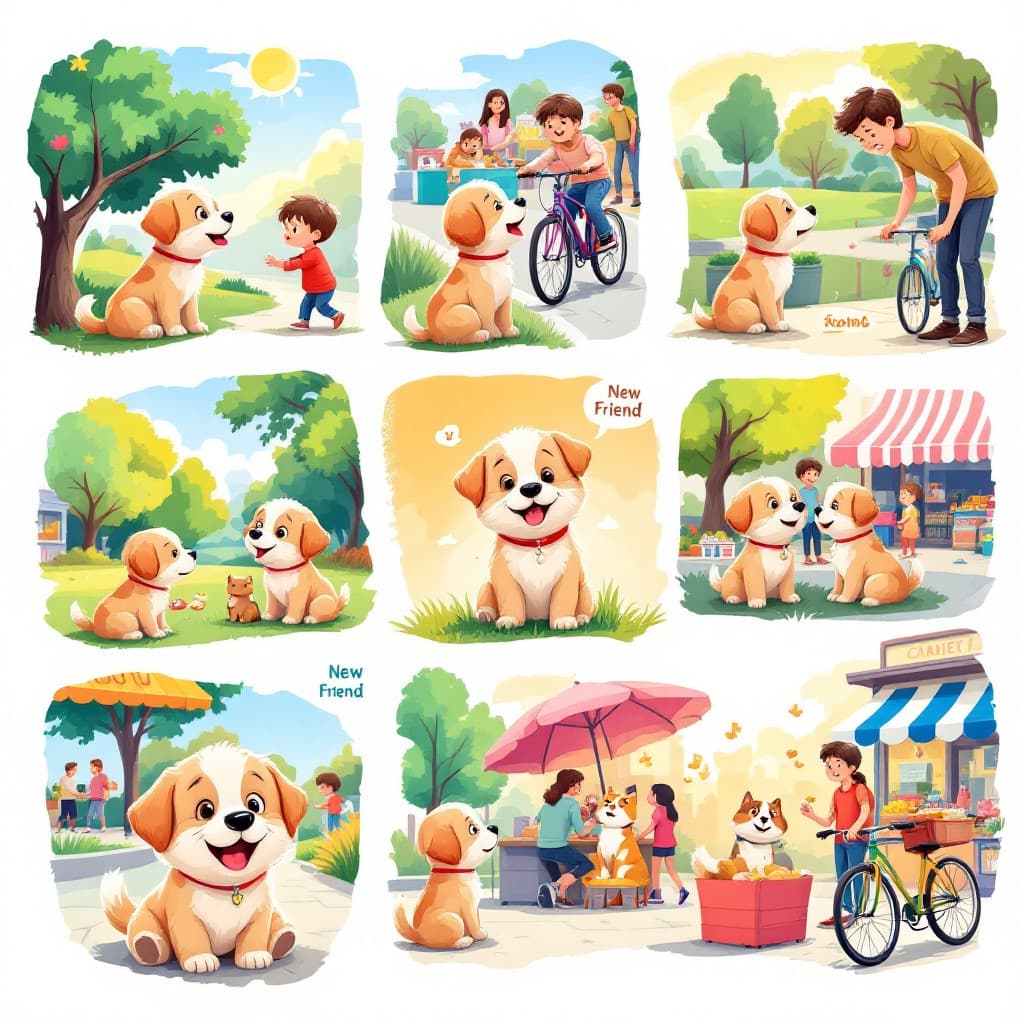
A well-socialized puppy becomes a confident, friendly dog. The first 8–16 weeks are crucial: during this period your puppy learns what is safe and what isn't. Positive experiences with people, dogs, sounds and new situations make the difference for the rest of his life.
📅 The socialization window
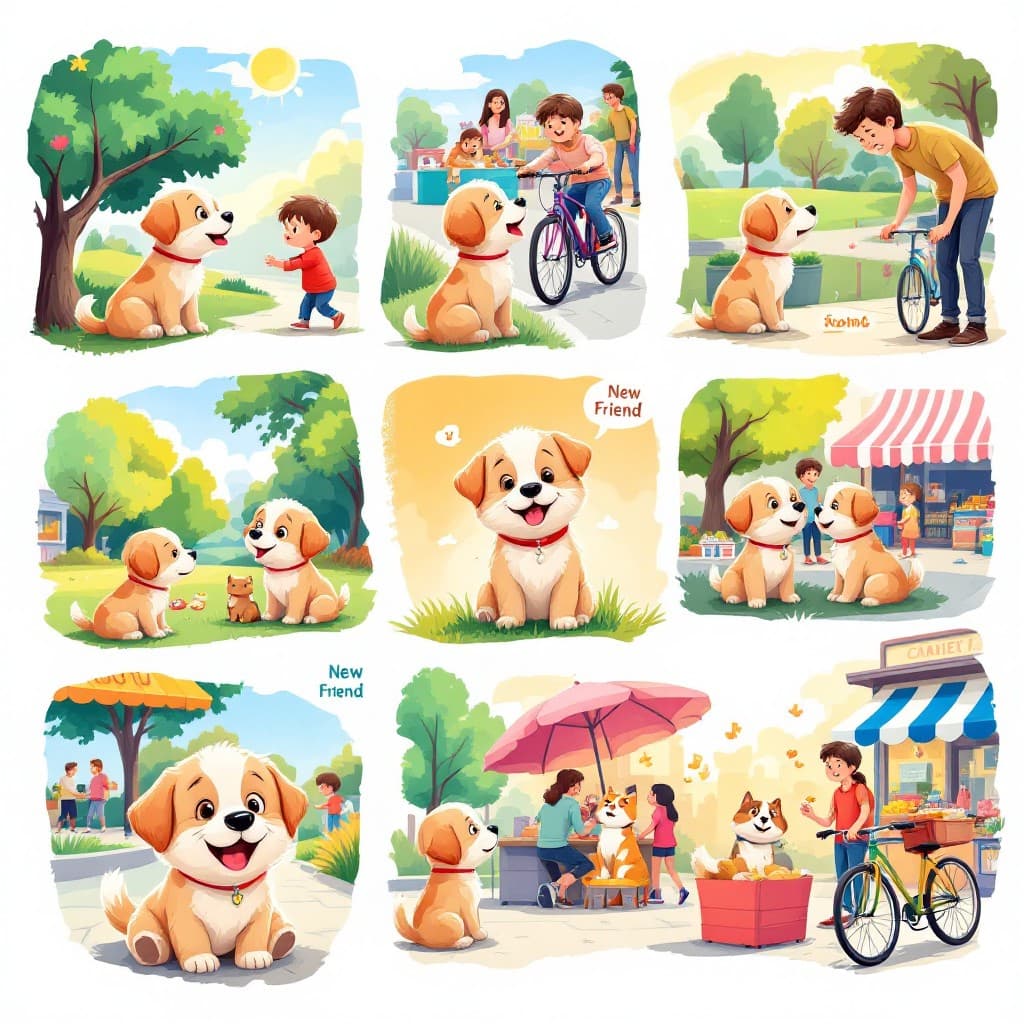
Between 8 and 16 weeks the puppy is most receptive to new impressions. After this period it becomes harder to overcome fears. That doesn't mean you're done at 16 weeks—socialization continues into adulthood—but the foundation is laid now.
Note: until your puppy is fully vaccinated, avoid places with many unknown dogs (e.g. dog parks). But you can: invite people home, take quiet walks, offer different sounds and surfaces, and positive introductions to known, healthy dogs.
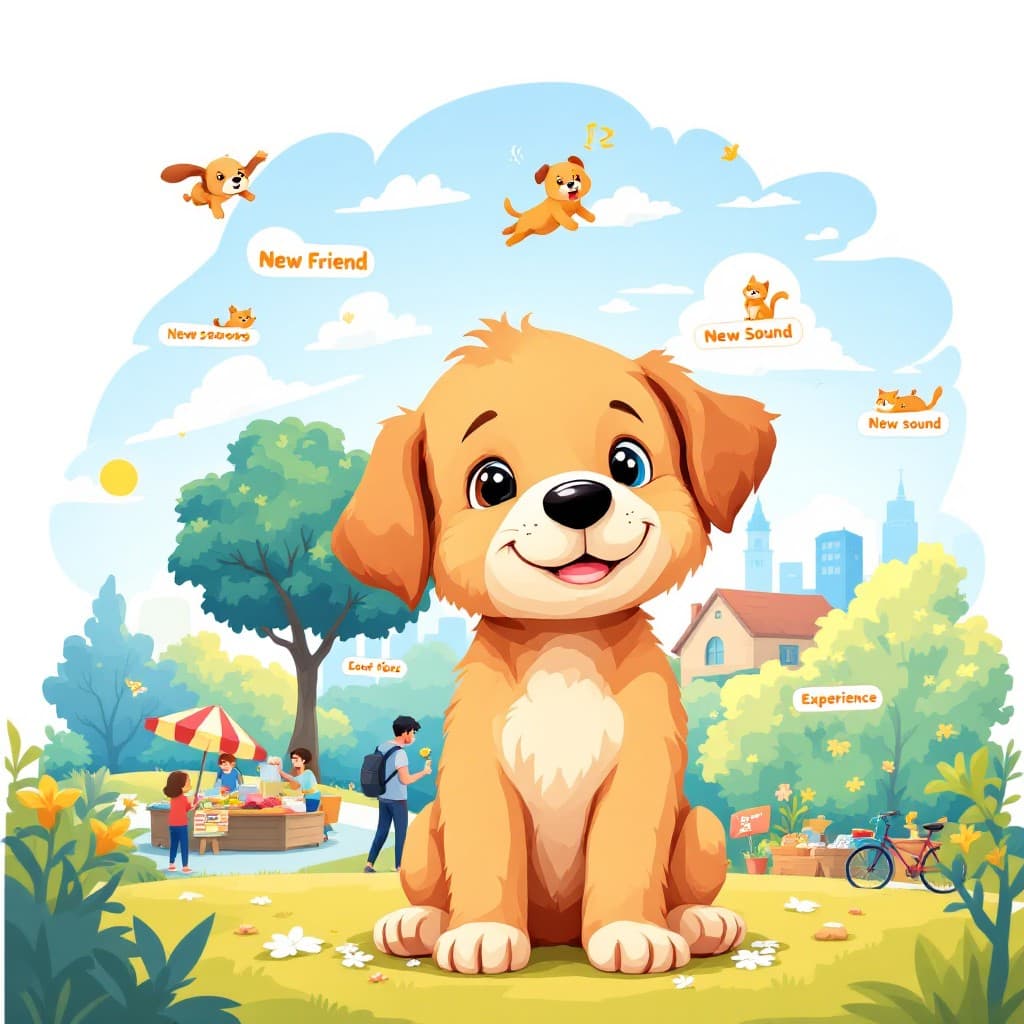
✅ 40 tips for successful socialization

- Go step by step. Don't overwhelm your puppy. Short, positive experiences are better than long, stressful situations.
- Reward calm and curious behaviour. No force—if your puppy is scared, give him space and build up slowly.
- Introduce different types of people: children, elderly, people with hats, walkers. Always supervised and in a calm way.
- Let your puppy get used to different sounds: vacuum, traffic, thunder (via recordings). Combine with treats to make it positive.
- Introduce your puppy to different dog breeds and sizes—always known, healthy dogs.
- Introduce cats under supervision. Let the puppy sniff calmly; reward calm behaviour.
- People with hats, sunglasses, beards or coats—so your puppy learns that appearance varies.
- Children: always supervised, calm and at eye level. Teach children how to approach a puppy.
- Let visitors give your puppy treats. This teaches him that strangers can be nice too.
- Surfaces: grass, gravel, tiles, wood, rubber. Let your puppy walk and sniff on them.
- Stairs up and down—calmly, with rewards. Watch out for steep stairs with young puppies.
- Water: shallow puddles, gentle streams. Never force; let him explore on his own.
- Car rides: short trips, positive association (toys, treats). Build up slowly.
- Let your puppy explore all rooms in the house. Each space can smell and sound different.
- Balcony or terrace: new sounds and views. Always supervised.
- Touch paws, ears and mouth regularly. This gets him used to grooming and vet visits.
- Brush and comb daily—even when the coat is still short. Make it a calm moment.
- Nail trimming: start with just touching the paws, build up to actual trimming.
- Bathing: lukewarm water, calm voice. Reward after bathing.
- Being lifted: practise brief lifting and putting down. Important for transport and care.
- Simulate vet examination: feel mouth, check ears, touch body. Reward with treats.
- Vacuum: first off, then on at a distance. Build up until the puppy can lie calmly beside it.
- Traffic sounds: start with quiet streets, build up to busier traffic.
- Thunder via recordings: low volume, combine with play or treats.
- Doorbell: practise the sound and reward staying calm. Prevent barking at visitors.
- Sirens (ambulance, fire): via recordings or at a distance. Always pair positively.
- Fireworks: via recordings before New Year's. Makes real fireworks less frightening.
- Cyclists: let bikes pass at a distance. Reward when your puppy stays calm.
- Strangers approaching calmly: practise on the street or in the park. No pressure to pet.
- Being alone: start with seconds, build up to minutes. In a safe space.
- Crate or bed: make it a nice place with treats and toys. Never use as punishment.
- Leash walking: practise indoors first, then in the garden, then outside.
- Rain and wind: short walks in different weather conditions.
- Positive play with toys: tug, fetch, search. Teach that play is fun and safe.
- Basic commands: sit, stay, come, name. Short sessions, lots of rewards.
- Visit different places: vet (also for introductions), pet store, friends.
- Hand feeding: occasionally feed from your hand. Strengthens trust and bond.
- Different heights: low bench, kerb, small step. Build confidence.
- Teach your puppy to be touched by strangers (e.g. at the groomer). Step by step.
- End every new experience positively. Stop before your puppy gets overstimulated.
Support animals getting a fresh start
Saved Souls gives rescues a second chance. Your donation helps feed, care for and help them adjust to a new life.
Donate now